




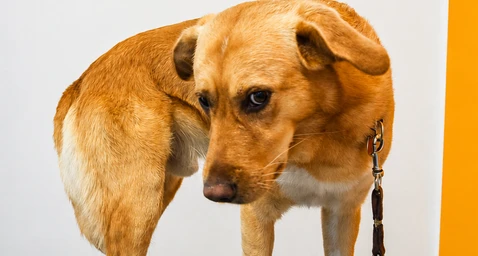
Stress and Anxiety in Cats and Dogs: Tips and Tricks for Overcoming Fear
When we talk about stress and anxiety in pets, many people immediately picture the stereotypical “anxious dog” that barks incessantly when left alone or hides behind its owner's legs during a walk. However, anxiety and fear in our pets can take many different forms. In the following sections, we will explore what these forms look like and how we can help our four-legged companions better cope with anxiety and stressful situations.
What is an “Anxious Dog” or a “Shy Cat,” and where does the fear come from?
To begin with, it is important to understand the different forms of anxiety. A distinction is generally made between anxiety, fear, and true phobias.
Each form of fear is unique in its own way, yet they share certain characteristics. An animal experiencing fear will typically attempt to flee from or avoid the situation. In contrast, an animal suffering from chronic anxiety perceives the stressful situation as unavoidable and beyond its control. Phobias, on the other hand, are considered extreme forms of fear and are often much more difficult to treat.
Numerous studies describe a genetic component to anxiety. Certain breeds and bloodlines appear to be particularly susceptible. While traumatic experiences are considered the most common triggers, the animal’s current environment can also have a significant impact. Puppies that were exposed to only limited experiences between three and twelve weeks of age are considerably more likely to develop anxiety-related issues later in life.
The origin of fear lies within the brain. The limbic system, which is responsible for processing emotions, becomes overstimulated. At the same time, the cortical system, which governs problem-solving abilities and acts as a counterbalance to the limbic system, is suppressed. The result is a loss of logical decision-making, causing behavior to become primarily driven by emotions.
This overstimulation creates key memories—both negative and positive—that become deeply embedded and can persist for a lifetime.
How does anxiety manifest itself?
Anxiety can present itself in many different ways, but several key symptoms can be identified:
- Loss of appetite
- Excessive grooming and itching
- Uncontrolled urination or defecation, or elimination in unusual locations
- Excessive barking, aggression, hissing, or destructive behavior
- Trembling, stress-related purring, and hiding
- Excessive activity or unusually low levels of movement
How can I help my pet cope better with fear and anxiety?
First and foremost, it is important to recognize that every case is unique. Each animal and its fears are individual, meaning there is no universal solution that works for every pet. However, there are several training methods and approaches that can help both owners and animals manage fear more effectively.
Behavioral training
If a dog experiences extreme panic in specific triggering situations, it is advisable to avoid those situations initially. The mindset of “they just have to get used to it” can actually worsen the fear. A more effective approach is controlled exposure to mild versions of the trigger, gradually increasing the intensity over time. This process is known as systematic desensitization.
For example, if a dog is learning to stay home alone, training can begin with very short intervals of around five minutes, which are then gradually extended. Ideally, this type of behavioral training should be conducted under the guidance of an experienced trainer.
Routine
A consistent daily routine is equally important. Irregular feeding schedules can contribute to stress and inner restlessness. Fixed times for meals, sleep, and playtime help create a sense of security and predictability.
Calming aids
In addition to comprehensive behavioral training, calming aids may also be beneficial. Pheromone diffusers, in particular, have shown high success rates in cats and can significantly improve overall well-being.
There are also many positive reports regarding the use of CBD oil. In addition to its potential pain-relieving effects, CBD may possess anxiety-reducing properties in some animals.
Medication
Various medication-based approaches can be used as part of a comprehensive treatment plan for anxious pets. Any pharmaceutical treatment should always be discussed with a veterinarian, as the most appropriate therapy must be determined on an individual basis.
Several products based on herbal ingredients are available and may be used either as long-term support or before anticipated stressful events. In many cases, these are considered a first-line option.
Medications containing pregabalin or gabapentin may also be useful before predictable stress-inducing situations. However, they are generally not intended for long-term treatment.
For particularly severe cases, stronger anti-anxiety medications are available. Long-term use is generally not recommended, but these medications can be valuable during the initial phase of treatment, helping to make behavioral therapy possible.
Conclusion
Every animal is unique, and so are its fears and the treatment required to address them. The most important step is recognizing and respecting the animal’s anxiety. Working together with a qualified trainer and a veterinarian, owners can develop a comprehensive and individualized approach to reducing anxiety—or at the very least, helping their pet cope with it more effectively. Fortunately, there are numerous strategies available, and the most suitable options can be identified based on the specific needs of each animal.
References
Anxiety in Dogs and Cats: A Vet’s Guide to Calmer, Happier Pets
How To Handle Anxious Pets As A Veterinarian In 2025
Stress and Anxiety - How Do They Impact the Pet? - WSAVA 2014 Congress - VIN
Herny R. Askew (2003). Behandlung von Verhaltensproblemen bei Hund und Katze (2. Auflage). Parey.